Kuangshi (Leo) Ai

247 Fitzpatrick Hall
Notre Dame, IN 46556
Hi! I’m a third-year CS Ph.D. student at the ND-VIS lab, advised by Prof. Chaoli Wang. I received my bachelor’s degree in AI from Fudan University. Currently, I am a ML Research Scientist Intern at TikTok in San Jose, where I work on long-horizon self-evolving agents for AIGC video editing.
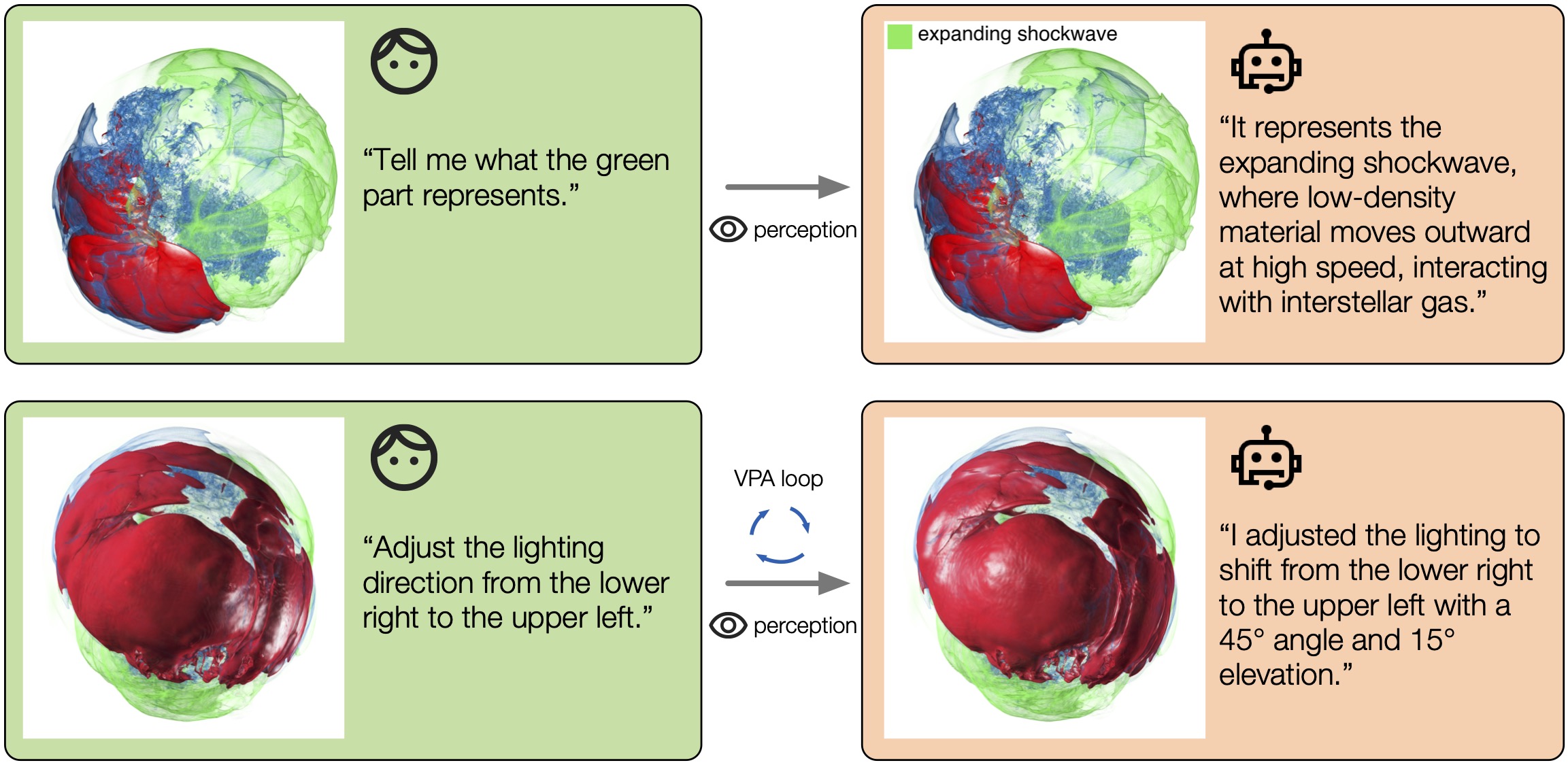
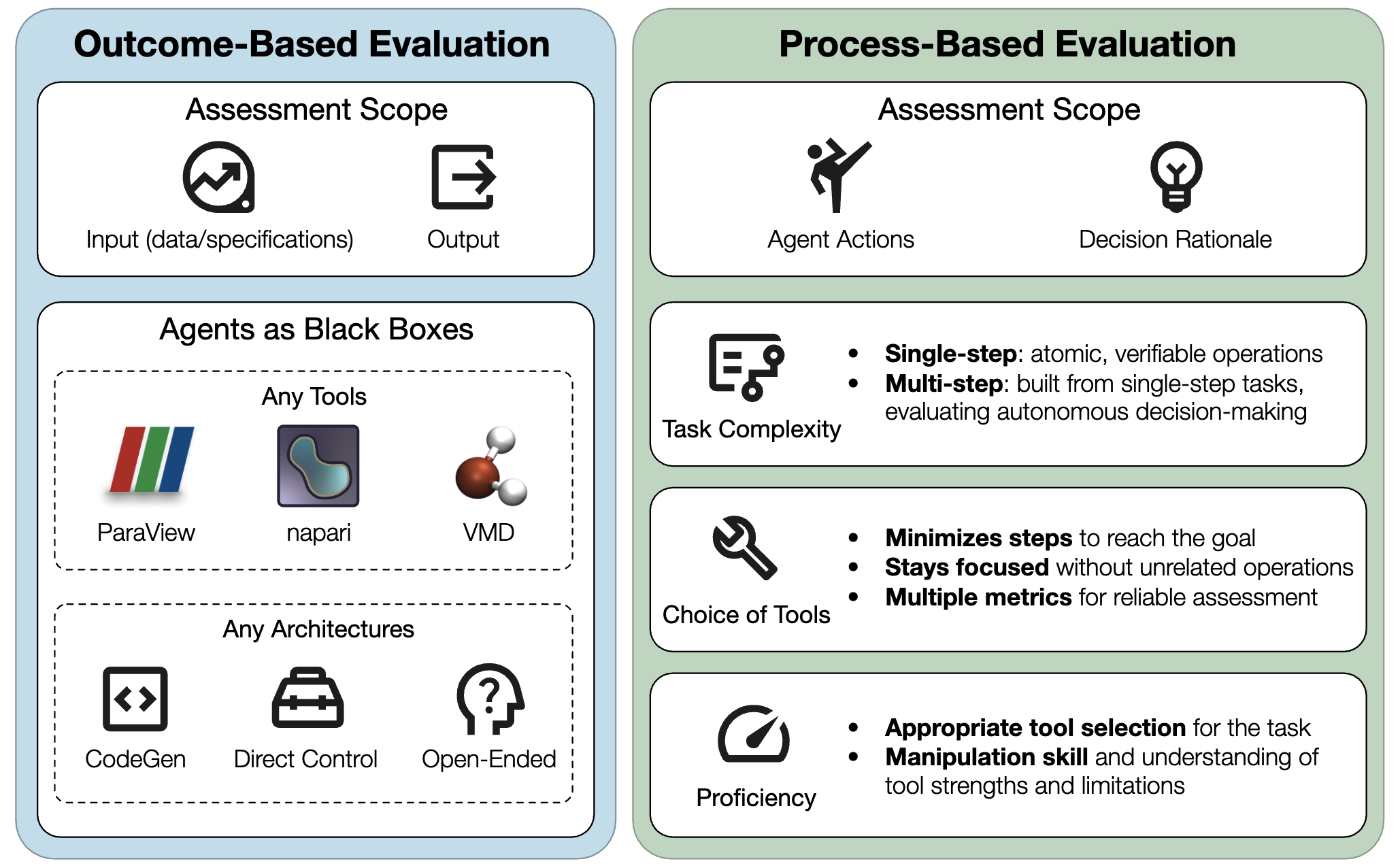
My research lies at the intersection of LLM agents, scientific visualization, and human-computer interaction. I build agentic systems that make complex 3D/4D scientific data easier to explore, understand, and manipulate. My current work focuses on self-evolving agents for long-horizon tasks, particularly through memory, reflection, adaptive learning, and agentic post-training. I also develop benchmarks and evaluation methods for agents. My work has been recognized with an IEEE VIS Best Paper Award.
More broadly, I am interested in Agentic AI + VIS + HCI, including self-evolving agents, 3D interaction, mixed-initiative systems, and human–agent collaboration.
If you’re interested in my work or would like to collaborate, feel free to reach out at kai[at]nd[dot]edu.
news
| Jul 16, 2026 | Two first-author full papers and one short paper accepted to IEEE VIS 2026! |
|---|---|
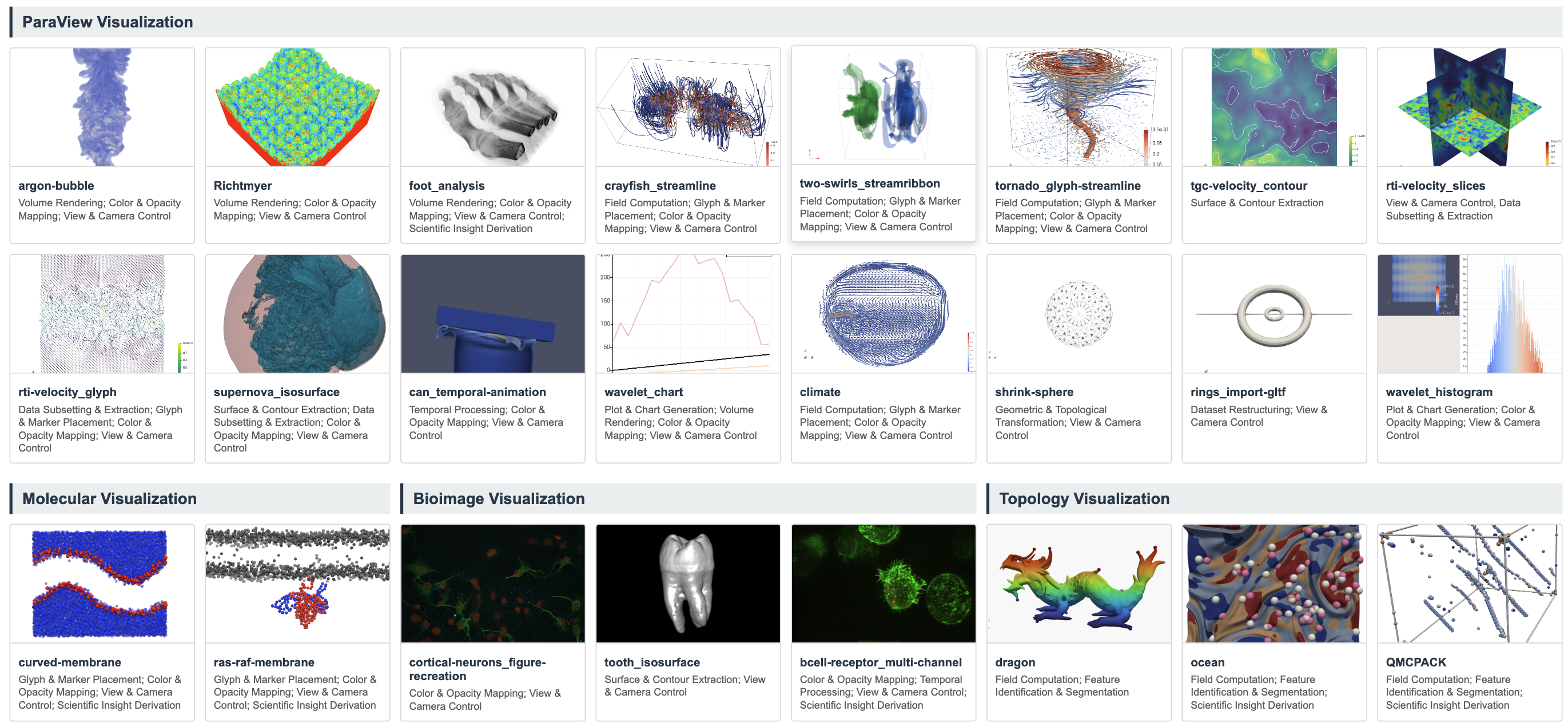
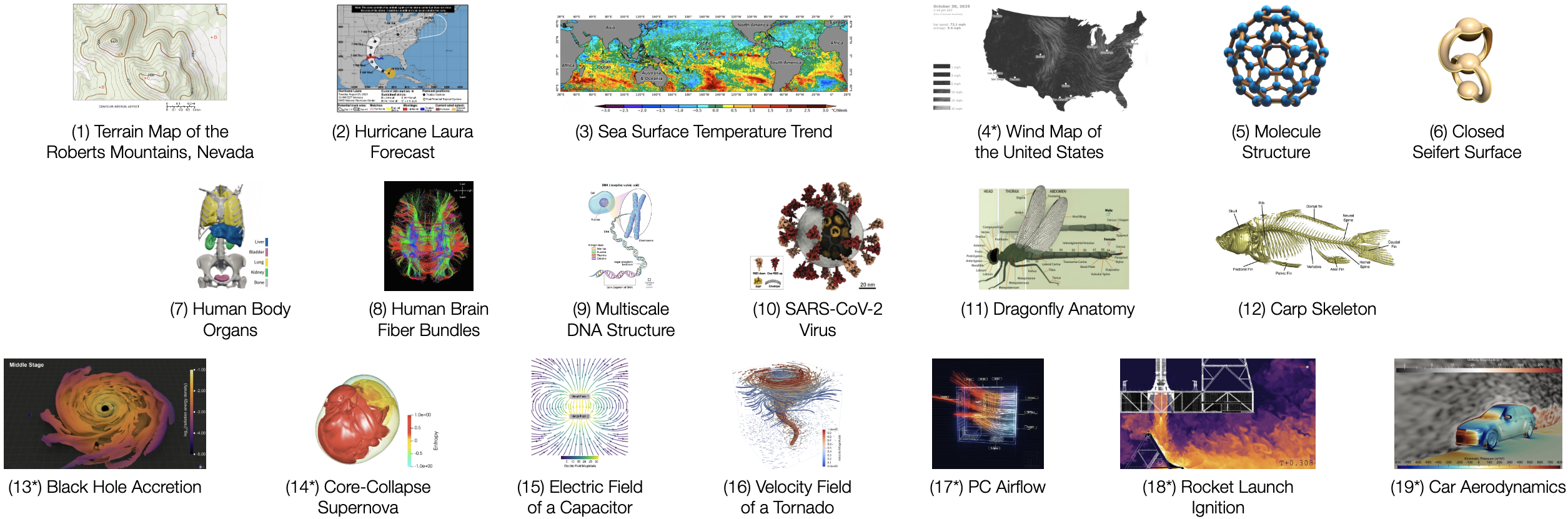
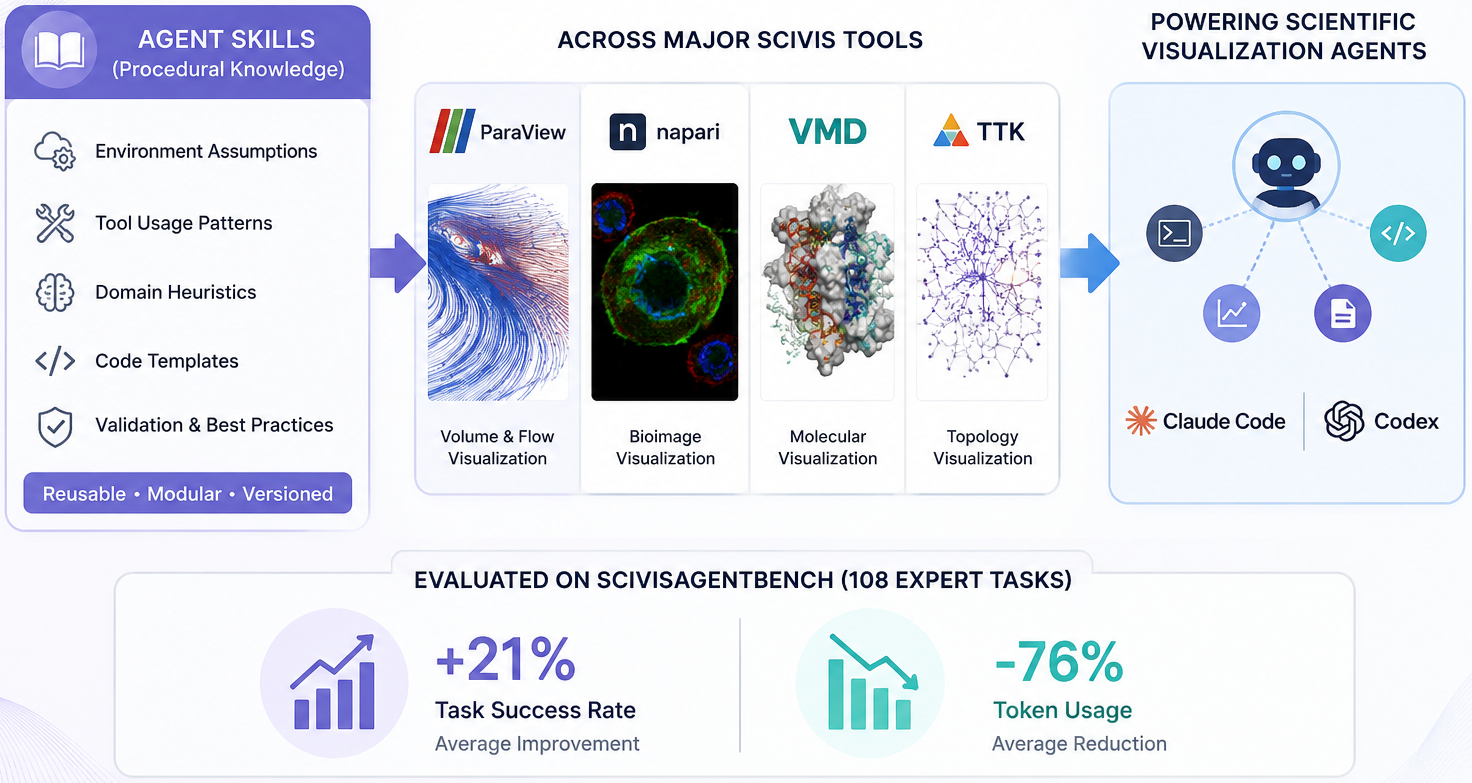
| Jan 28, 2026 | 🚀 Calling for Collaborators: SciVisAgentBench! 🔗 Learn more or contribute through our project page. |
| Aug 03, 2025 | 🏆 IEEE VIS 2025 Best Paper Award! My first first-author paper NLI4VolVis has been selected as one of only 5 Best Papers out of 537 submissions! 📰 The work was also featured by Notre Dame News. |
| Jul 15, 2025 | Two papers accepted to IEEE VIS 2025! This marks my first first-author paper during my Ph.D.! 🎉 |
| May 16, 2025 | One paper accepted to ACL 2025 findings! |
selected publications
- IEEE VIS
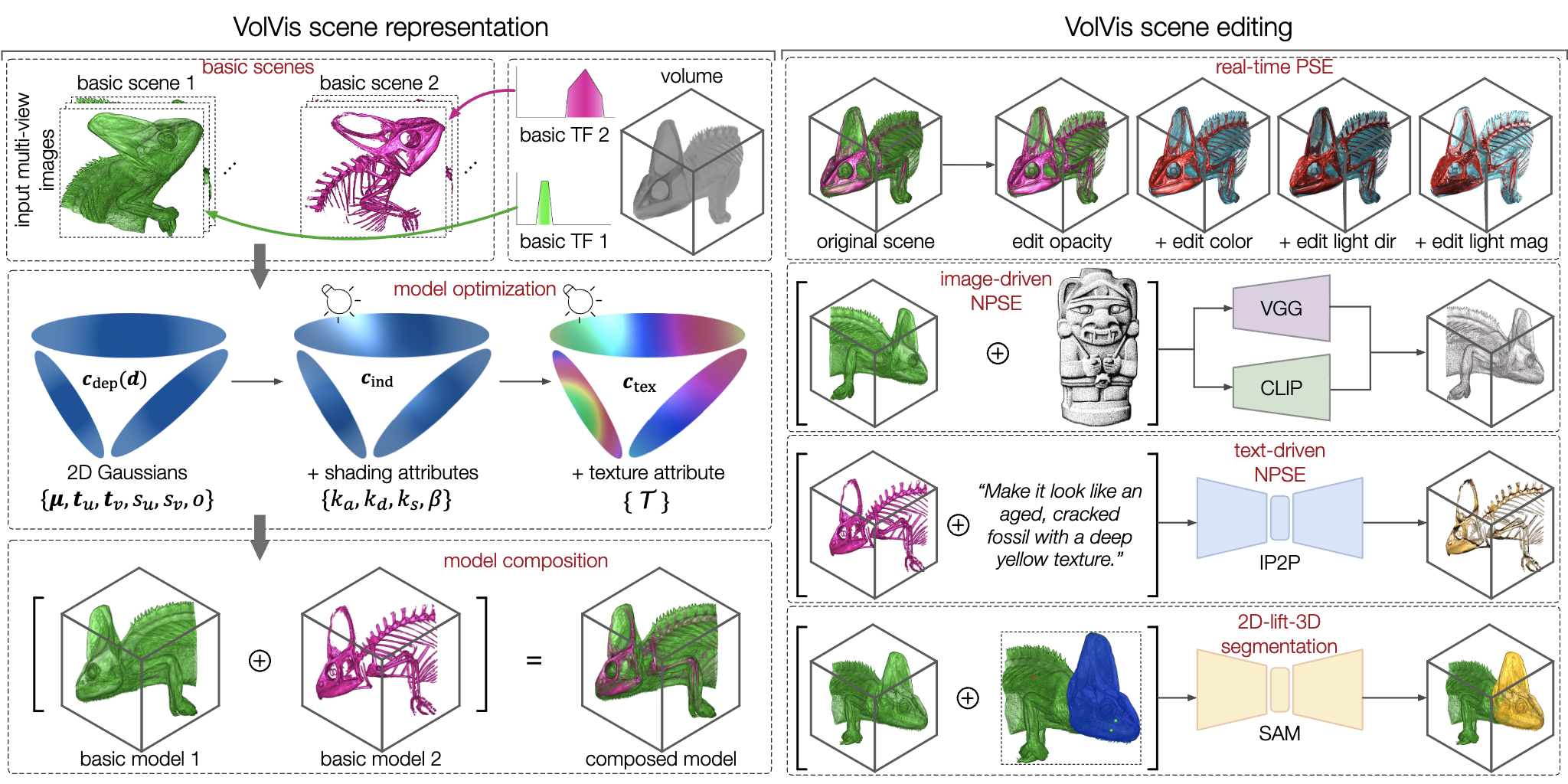 TexGS-VolVis: Expressive Scene Editing for Volume Visualization via Textured Gaussian SplattingIn Proceedings of IEEE Transactions on Visualization and Computer Graphics (IEEE VIS), 2025
 - IEEE VIS Short
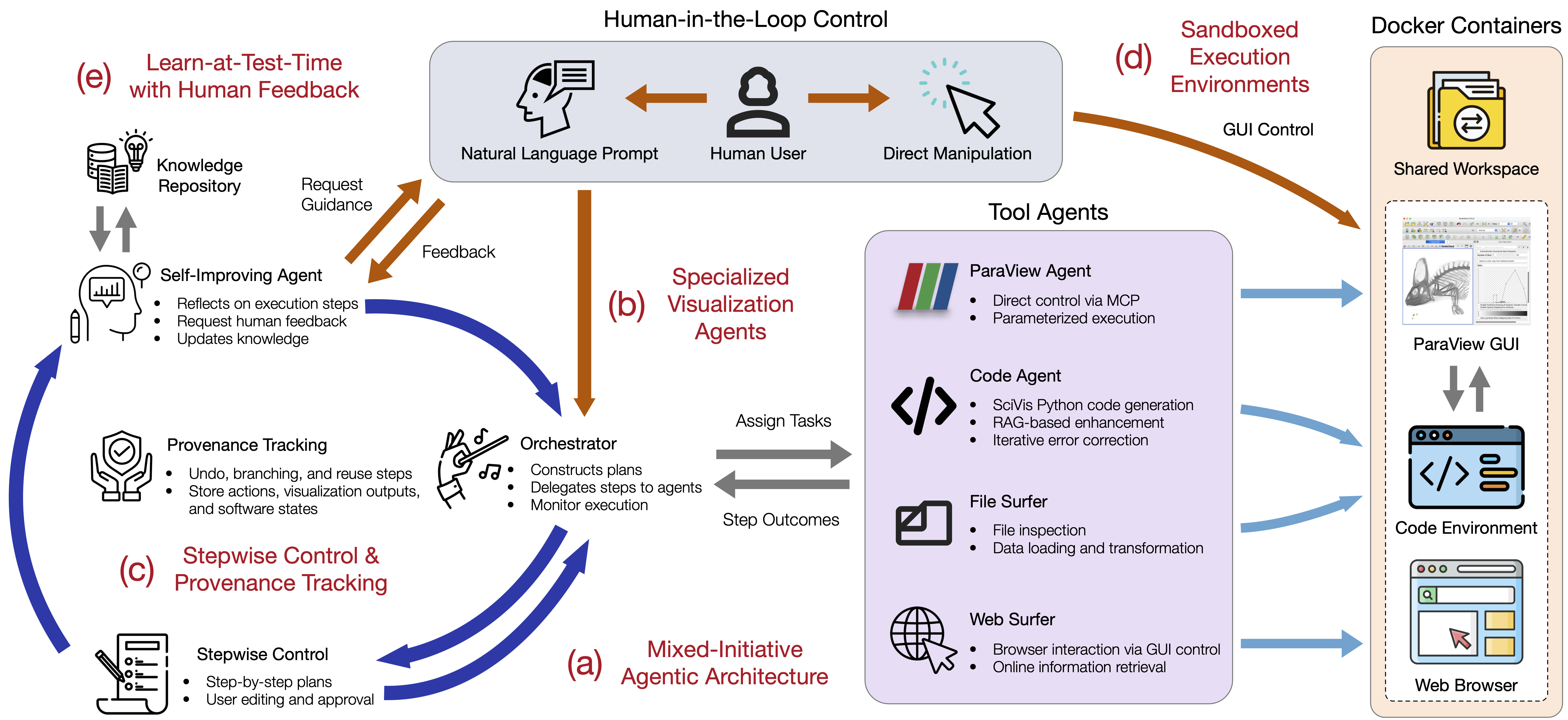
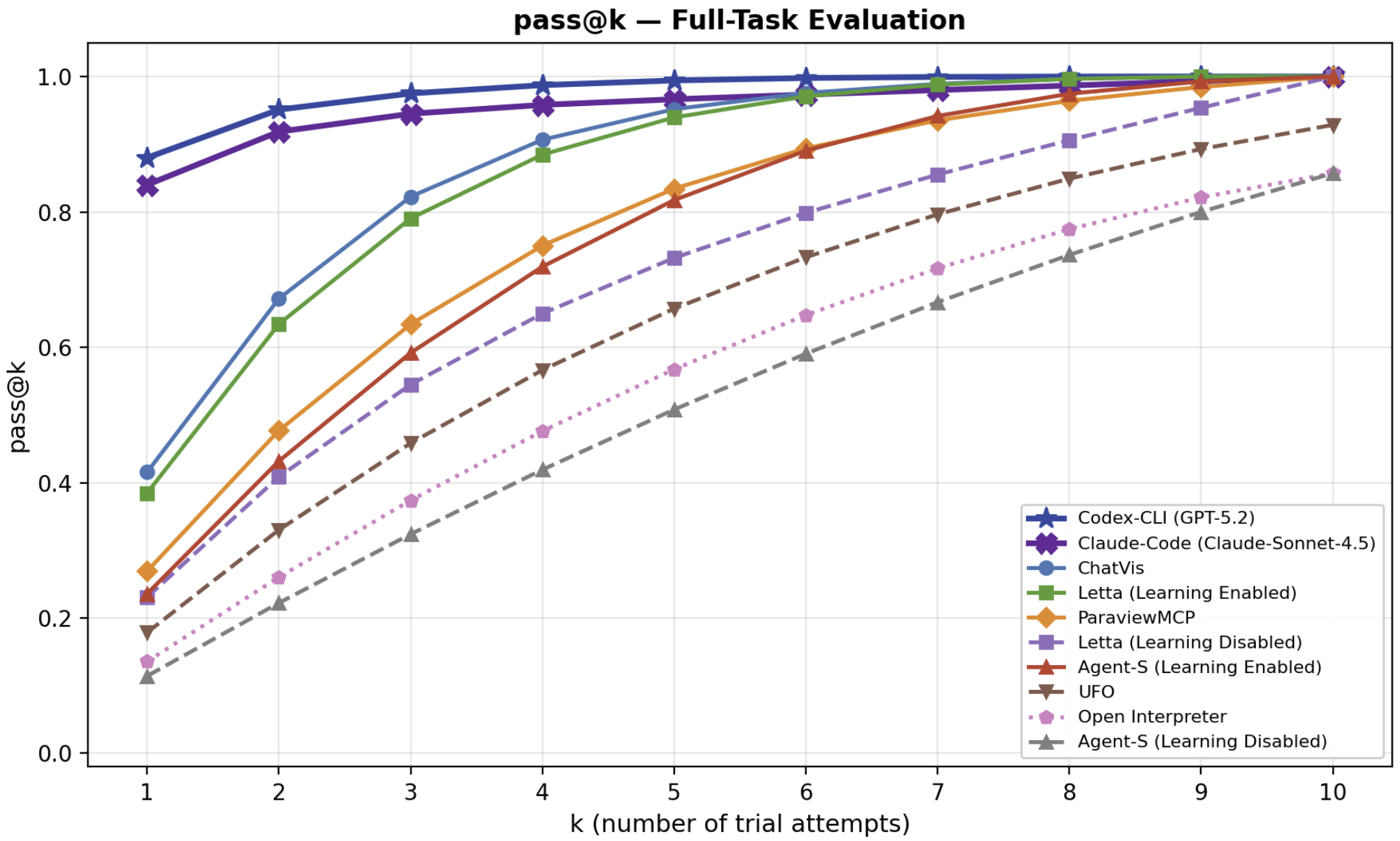 Exploring LLM Agent Designs and Interaction Modalities for Scientific VisualizationIn Proceedings of IEEE Visualization and Visual Analytics (IEEE VIS Short Paper), 2026